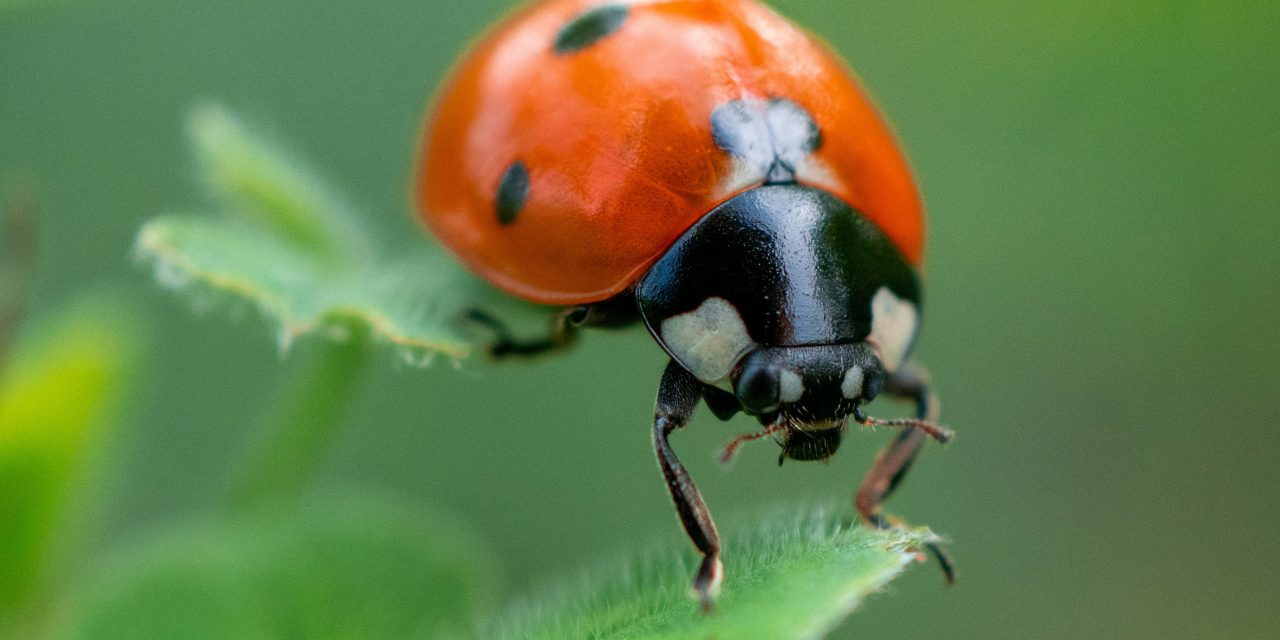
Walk through a healthy farm early in the morning, and you may notice a quiet workforce already on duty. A tiny ladybird beetle crawls along a bean leaf searching for aphids. A spider patiently waits between maize plants for a flying insect to become trapped in its web. A hoverfly hovers over flowering vegetables before laying eggs near a colony of sap-sucking pests. Above the field, a swallow darts through the air, catching insects one after another.
None of these creatures receives a salary. None needs fuel or electricity. Yet together, they provide a service that many farmers unknowingly spend thousands of shillings trying to replace.
These are nature’s helpers—beneficial organisms that reduce pest populations and help crops grow with fewer losses.
For Kenyan smallholder farmers facing rising pesticide costs, increasing pest resistance, and concerns about environmental sustainability, learning how to protect these natural allies can improve harvests while lowering production expenses.
The battle against crop pests does not always require stronger chemicals. Sometimes, the best solution is allowing nature to do part of the work.
Every Insect Is Not an Enemy
One of the most common mistakes in crop farming is assuming that every insect found in a field is harmful.
In reality, many insects play useful roles.
Some hunt destructive pests.
Others pollinate crops.
Some help decompose organic matter, improving soil fertility.
When broad-spectrum pesticides are sprayed unnecessarily, beneficial insects are often killed alongside the pests. The result is a temporary reduction in pest numbers, followed by an even bigger problem as natural predators disappear and surviving pests multiply without competition.
Understanding which insects are friends and which are foes is one of the most valuable skills a farmer can develop.
Why Beneficial Organisms Matter
Crop pests such as aphids, caterpillars, whiteflies, thrips, mealybugs, and certain beetles can reduce yields by damaging leaves, stems, flowers, and fruits.
If left unchecked, these pests may weaken plants, spread diseases, and reduce crop quality.
Beneficial organisms help by naturally keeping pest populations under control before they reach damaging levels.
Unlike pesticides, which provide temporary control, healthy populations of natural enemies continue working day after day.
This creates a more balanced farming system that is often cheaper to maintain over time.
Ladybird Beetles: Small Hunters with Big Appetites
Many Kenyan farmers recognize the brightly coloured ladybird beetle but may not realize its importance.
Both adult beetles and their larvae feed on soft-bodied pests, especially aphids.
Aphids reproduce rapidly and can spread plant diseases while weakening crops by sucking sap from young leaves.
A healthy population of ladybird beetles can significantly reduce aphid numbers without any spraying.
Protecting these beetles means avoiding unnecessary pesticide applications, particularly when aphid populations remain low.
Spiders: Silent Guardians of the Farm
Spiders often receive little appreciation despite being among agriculture’s most effective predators.
Different species hunt in different ways.
Some spin webs between crops.
Others actively chase insects across the soil surface.
Many feed on caterpillars, moths, flies, beetles, and other crop pests.
Because spiders consume a wide range of insects, they provide continuous pest suppression throughout the growing season.
Destroying spider habitats through excessive field disturbance or indiscriminate spraying removes an important line of natural defence.
Hoverflies: Pollinators and Pest Controllers
Adult hoverflies resemble small bees but cannot sting.
They visit flowers while feeding on nectar and pollen, making them useful pollinators.
Their larvae perform another valuable role by feeding on aphids.
A single hoverfly larva may consume many aphids before reaching adulthood.
Planting flowering species near crop fields encourages hoverflies by providing food for the adults while allowing their young to control pest populations.
Praying Mantises: Patient Ambush Hunters
Praying mantises remain motionless for long periods before suddenly capturing unsuspecting insects.
They feed on numerous agricultural pests, including grasshoppers, caterpillars, moths, and flies.
Although they do not distinguish between harmful and beneficial insects, their presence generally contributes to reducing pest pressure within the farm ecosystem.
Parasitic Wasps: Tiny but Powerful
Some of the smallest insects provide some of the biggest benefits.
Parasitic wasps lay their eggs inside or on pest insects such as caterpillars, aphids, and whiteflies.
As the young wasps develop, they feed on the host pest, eventually preventing it from causing further crop damage.
Because these wasps are extremely small, farmers may never notice them despite their important role.
Avoiding unnecessary insecticide use helps conserve these valuable natural enemies.
Birds That Feed on Crop Pests
Several bird species commonly found around Kenyan farms consume insects throughout the day.
Swallows, wagtails, weaver birds, and other insect-eating birds help reduce flying pests.
Providing trees, hedges, or suitable resting areas near farms encourages birds to remain within the farming landscape.
However, farmers should also recognize that some bird species may feed on grain crops, requiring balanced management rather than complete reliance on birds alone.
Frogs and Toads: Night-Time Pest Controllers
During the rainy season, frogs and toads become more active around farms.
These amphibians feed on many insects that emerge during the evening, including moths and beetles whose larvae later damage crops.
Maintaining small wet areas where appropriate and avoiding pollution of water sources helps support these beneficial animals.
Beneficial Soil Organisms
Not all nature’s helpers live above ground.
Healthy soils contain countless microorganisms that support crop growth.
Earthworms improve soil structure by creating channels that increase water infiltration and root development.
Beneficial fungi and bacteria assist nutrient cycling, making essential elements more available to crops.
Healthy plants grown in biologically active soils often tolerate pest attacks better than stressed plants growing in poor soil conditions.
Protecting soil life therefore contributes indirectly to pest management.
Flowers Can Attract Natural Helpers
Many beneficial insects require nectar and pollen during part of their life cycle.
Fields surrounded only by bare soil offer little food once the crop has finished flowering.
Farmers can encourage natural enemies by planting flowering species along field edges, terraces, or unused corners.
These flowering areas provide:
- Nectar
- Pollen
- Shelter
- Breeding sites
The result is a larger and more stable population of beneficial insects ready to move into crop fields when pests appear.
Avoid Spraying Without Monitoring
One of the biggest threats to beneficial organisms is routine pesticide spraying based solely on the calendar.
Instead, farmers should inspect crops regularly.
Look for:
- Pest numbers
- Beneficial insects
- Crop damage
- Disease symptoms
- Overall plant health
If only a few pests are present while beneficial predators are active, spraying may be unnecessary.
Allowing natural enemies time to work often reduces pest populations without additional costs.
Use Pesticides Wisely When Necessary
Natural pest control does not mean pesticides should never be used.
Some pest outbreaks require intervention to prevent serious losses.
However, pesticides should be used responsibly.
Good practices include:
- Identifying the pest correctly.
- Using registered products.
- Following label instructions.
- Spraying only when justified.
- Avoiding unnecessary repeat applications.
- Applying treatments during suitable weather conditions.
Responsible pesticide use reduces harm to beneficial organisms while maintaining effective pest control.
Crop Diversity Supports Natural Balance
Large areas planted with only one crop often attract larger pest populations.
Introducing diversity through intercropping, crop rotation, or border plantings creates a more balanced farm environment.
Different plant species provide food, shelter, and breeding habitats for beneficial organisms while interrupting the life cycles of certain pests.
Diverse farms are generally more resilient than those relying on a single crop throughout the year.
Good Crop Nutrition Reduces Pest Pressure
Healthy crops are better equipped to recover from minor pest damage.
Balanced fertilization encourages vigorous growth, while excessive application of certain nutrients may produce soft plant tissue that attracts sap-sucking pests.
Regular soil testing and appropriate fertilizer recommendations help maintain healthy crops without encouraging unnecessary pest problems.
Strong plants and active natural enemies complement each other in maintaining productive fields.
Farm Hygiene Remains Essential
Natural predators cannot compensate for poor farm management.
Farm sanitation remains an important part of integrated pest management.
Farmers should:
- Remove heavily infested crop residues.
- Destroy diseased plants safely.
- Control weeds that harbour pests.
- Clean equipment between fields.
- Use healthy planting materials.
Good hygiene reduces the number of pests entering each growing season.
Observe Before Acting
Successful pest management begins with observation.
Walking through the farm several times each week helps identify changes before problems become severe.
While scouting, farmers should ask:
- Which pests are present?
- How many plants are affected?
- Are beneficial insects also present?
- Is damage increasing or decreasing?
- Are weather conditions favouring pest development?
These observations support better decision-making and reduce unnecessary expenditure.
Economic Benefits of Protecting Nature’s Helpers
Supporting beneficial organisms offers several financial advantages.
Lower Production Costs
Reduced reliance on pesticides lowers input expenses.
Better Pest Control
Natural enemies continue working throughout the growing season.
Reduced Risk of Pest Resistance
Overuse of pesticides can lead to resistant pest populations. Natural predators help slow this process by applying constant biological pressure.
Improved Pollination
Many beneficial insects also pollinate crops, supporting higher yields and better-quality produce.
Environmental Protection
Protecting biodiversity contributes to healthier soils, cleaner water, and more resilient farming systems.
Collectively, these benefits improve long-term profitability for smallholder farmers.
Common Mistakes That Harm Beneficial Organisms
Some farming practices unintentionally eliminate natural allies.
Avoid:
- Spraying pesticides without confirming pest levels.
- Destroying flowering field borders unnecessarily.
- Applying repeated treatments using the same products.
- Removing all vegetation surrounding fields.
- Ignoring regular crop scouting.
- Disturbing wildlife habitats without reason.
Protecting beneficial organisms often requires changing management habits rather than making expensive investments.
Working with Nature Instead of Against It
Agriculture has always depended on partnerships. Farmers work with the soil, rainfall, sunlight, seeds, and livestock to produce food. Beneficial insects, birds, spiders, frogs, and soil organisms are also part of that partnership, quietly performing tasks that strengthen the farming system every day.
For Kenyan smallholder farmers, recognizing these natural helpers can transform the way pests are managed. Instead of viewing every insect as an enemy, farmers can learn to distinguish between destructive pests and valuable allies. By protecting habitats, monitoring fields carefully, maintaining crop diversity, practising good farm hygiene, and using pesticides only when genuinely needed, they create conditions where natural pest control thrives.
The result is not the complete disappearance of pests—that is neither realistic nor necessary. Instead, the goal is to keep pest populations below damaging levels while reducing production costs and protecting the environment.
Every healthy farm is home to an unseen workforce that asks for very little in return. A flowering border, a balanced approach to pesticide use, clean fields, healthy soils, and careful observation are often enough to keep these helpers at work. Farmers who invest in this natural partnership build stronger, more resilient cropping systems that deliver better harvests, improved return on investment, and long-term sustainability for both the farm and future generations.

