
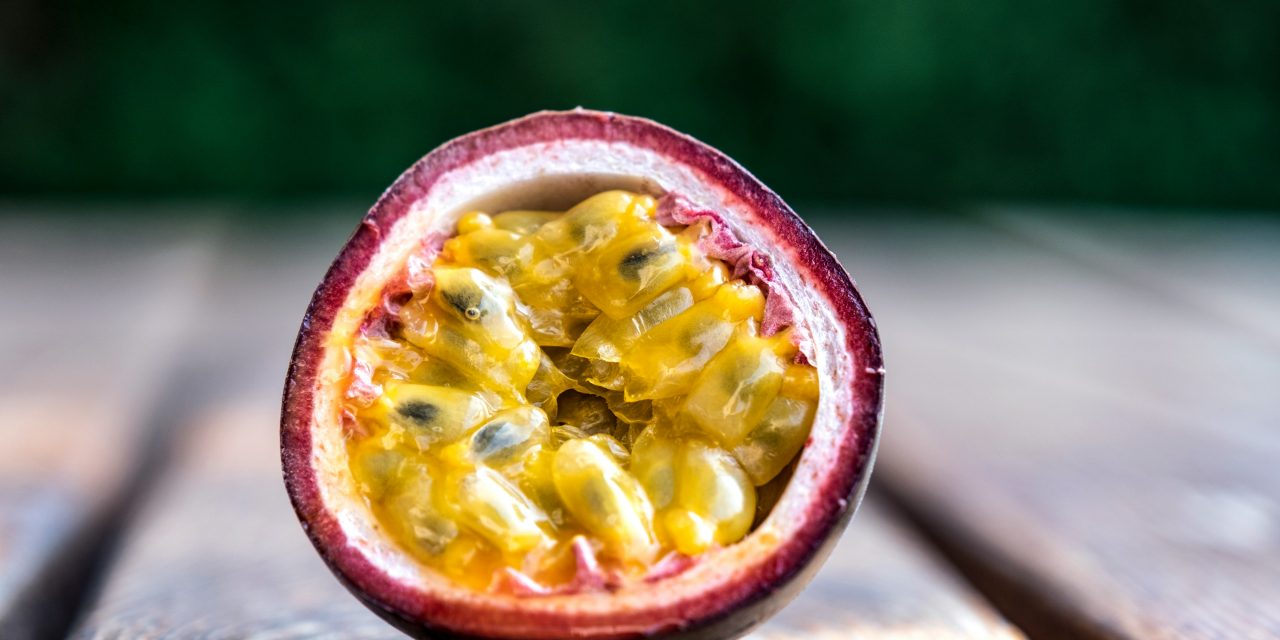
Why Passion Fruit Vines Stop Producing Early
The Hidden Mistakes That Shorten a Profitable Harvest
The early morning mist still clung to the hills of Murang’a as Samuel Kariuki walked slowly between rows of passion fruit vines. Dew sparkled on the leaves, and birds darted between the wooden posts supporting the green canopy. From a distance, the farm looked healthy enough to impress anyone driving past.
But Samuel knew the truth. Only a year earlier, the same vines had been weighed down with hundreds of glossy purple fruits. Traders from Maragua Market called him regularly because his harvests were dependable. Every picking day filled dozens of crates, and the income had helped pay school fees, repair the family home, and purchase a small water tank for irrigation.
Now, the vines told a different story. Large gaps appeared where leafy growth had once covered the trellis. New flowers were scarce. Some vines carried only a handful of fruits while others had stopped producing altogether. Yellowing leaves fluttered to the ground each time the wind swept across the field.
Samuel could not understand it. The vines were barely three years old. He believed passion fruit should remain productive for much longer. His first reaction was familiar to many farmers. Perhaps the fertilizer was no longer effective. Perhaps rainfall had changed. Perhaps the seedling supplier had sold poor planting material.
Each month he spent more money trying different solutions. Extra fertilizer was applied. More pesticides were sprayed. Additional labourers weeded the field more frequently. Yet production continued falling.
Across the neighbouring valley, another farmer, Esther Wambui, managed a passion fruit orchard planted almost at the same time as Samuel’s. Her vines remained vigorous, flowering continuously and producing fruits that attracted buyers from Nairobi and nearby processing companies.
Curious, Samuel visited her farm one afternoon. He expected to find expensive irrigation systems or imported farm inputs. Instead, he noticed something else. Every row was open enough for sunlight to filter through the canopy. The vines climbed sturdy trellises without becoming overcrowded. Old stems had been removed, leaving healthy shoots to develop naturally. Mulch surrounded each plant, conserving soil moisture while suppressing weeds.
The soil felt loose and moist beneath his boots rather than compacted. More importantly, Esther knew every section of her orchard. She could identify which vines had received compost recently, which rows needed pruning, and which plants showed early signs of nutrient deficiencies. Her harvest was not built on luck. It was built on routine management. Samuel realised he had spent months reacting to declining production instead of preventing the causes.
Many Kenyan passion fruit farmers experience the same disappointment. Healthy-looking vines establish quickly, produce impressive harvests during the first season, then suddenly begin declining long before their productive lifespan should end.
The problem is rarely caused by one mistake. More often, it results from several small management decisions that gradually weaken the crop until production falls below profitable levels. Understanding those hidden causes allows farmers to protect their investment and extend the productive life of every vine.
Passion Fruit Is a High-Performance Crop
Passion fruit is naturally vigorous. Its rapid growth, continuous flowering and repeated fruit production require substantial amounts of water, nutrients and sunlight throughout the year.
Unlike seasonal crops harvested once before replanting, passion fruit vines work almost continuously. This means every management decision affects future production.
When vines are neglected for several months, the consequences often appear much later through poor flowering, reduced fruit set and declining yields. Maintaining vine health therefore requires consistency rather than occasional intervention.
Poor Soil Preparation Creates Long-Term Problems
Many production challenges begin before the first seedling enters the ground. Passion fruit develops an extensive root system that depends on well-prepared soil with good drainage and adequate organic matter. Planting directly into compacted or poorly drained soils restricts root development from the beginning.
Weak roots absorb fewer nutrients and less water, making vines more vulnerable during dry periods. Even generous fertilizer applications cannot fully compensate for unhealthy roots. Investing time in proper land preparation gives vines a stronger foundation for many productive years.
Nutrient Imbalances Slowly Exhaust the Vines
A passion fruit vine removes significant nutrients from the soil every time fruits are harvested. If these nutrients are not replaced appropriately, production gradually declines. Some farmers focus only on nitrogen because it produces lush green growth.
Unfortunately, excessive nitrogen encourages vigorous leaves at the expense of flowers and fruits. Balanced nutrition is far more important. Phosphorus supports root development. Potassium improves fruit quality and plant strength. Calcium strengthens plant tissues. Magnesium supports photosynthesis. Organic matter improves nutrient availability while enhancing soil structure.
Applying fertilizer without understanding soil needs often wastes money while limiting production. Regular soil testing and balanced nutrient management provide much better returns.
Water Stress Interrupts Flowering
Passion fruit requires consistent moisture. Extended dry periods followed by heavy irrigation create unnecessary stress. When water becomes limited, vines naturally reduce flowering and fruit development to conserve energy.
Young fruits may drop prematurely. Flowers may fail to develop completely. Even if rains return later, the production gap may continue for several weeks. Mulching, water harvesting and efficient irrigation systems help stabilize soil moisture throughout changing weather conditions.
Overgrown Canopies Reduce Productivity
One of the most common reasons vines stop producing early is overcrowding. Without regular pruning, vines continue producing stems and leaves until sunlight struggles to penetrate the canopy.
Poor air circulation creates humid conditions favourable for fungal diseases. Flowers hidden beneath dense foliage receive fewer pollinating insects. Older stems consume nutrients while contributing little to fruit production.
Strategic pruning redirects plant energy toward vigorous new growth capable of producing higher yields. Healthy vines require renewal, not uncontrolled expansion.
Weak Trellis Systems Shorten Vine Life
The trellis does far more than hold the vines upright. It determines how effectively sunlight reaches the leaves, how easily workers manage the crop and how evenly fruits develop.
Weak poles, sagging wires or overcrowded support systems create unnecessary stress. Broken vines lose productive branches. Poor support increases disease risk by allowing foliage to remain damp after rain.
Investing in durable trellis construction reduces maintenance costs while extending orchard productivity. A strong support system protects both the crop and the farmer’s investment.
Pest and Disease Problems Build Gradually
Few orchards collapse overnight. Most decline begins with small, unnoticed problems. Insects feeding on leaves reduce photosynthesis. Diseased roots absorb fewer nutrients. Fungal infections weaken stems and reduce flowering. Viruses gradually affect plant growth and fruit quality.
Ignoring early warning signs allows minor problems to become major financial losses. Regular scouting enables farmers to identify issues before they spread throughout the orchard. Early intervention usually costs far less than replacing entire sections of the farm.
Healthy Roots Mean Healthy Harvests
Everything visible above the ground depends on what happens below it. Healthy roots anchor the vine, absorb nutrients, take up water and support continuous flowering. Practices that damage roots including waterlogging, excessive cultivation near plants and poor drainage reduce productivity even when leaves initially appear healthy.
Protecting the root zone should therefore remain one of the highest priorities in passion fruit production. Strong roots support long-lasting harvests, healthier vines and higher returns on investment.
How to Keep Passion Fruit Vines Productive for Longer
Pollination Determines How Many Flowers Become Fruits
A healthy passion fruit vine can produce hundreds of flowers, but flowers alone do not guarantee a profitable harvest. Each flower must be successfully pollinated before it develops into a fruit.
Poor pollination is often overlooked because farmers focus more on fertilizers and pesticides. However, a vine that flowers heavily but sets very few fruits may be struggling with pollination rather than nutrition.
Bees and other beneficial insects play an important role in transferring pollen between flowers. Farmers can encourage these natural pollinators by avoiding unnecessary pesticide spraying during flowering, maintaining flowering plants around the farm where practical, and spraying only during periods when bees are less active if pest control is necessary. Protecting pollinators costs very little but can significantly increase fruit set and overall yields.
Replace Weak Vines Before They Affect the Entire Orchard
Not every vine can be restored. Some plants become permanently weakened by disease, severe pest damage or poor establishment. Instead of spending months trying to revive an unproductive vine, farmers should evaluate whether replacement offers a better return on investment.
A single unhealthy vine can become a source of pests and diseases that spread to neighbouring healthy plants. Replacing isolated weak vines early helps maintain uniform production across the orchard while reducing future management costs.
Orchard Hygiene Is a Profit Protection Strategy
Clean orchards produce healthier crops. Dead branches, diseased leaves, fallen fruits and old plant debris should not be allowed to accumulate beneath vines. These materials often provide shelter for insects and disease-causing organisms that survive between production cycles.
Routine sanitation includes:
- Removing diseased plant material immediately.
- Collecting fallen fruits regularly.
- Destroying heavily infected plant parts away from the production area.
- Cleaning pruning tools before moving between vines.
- Keeping irrigation lines free from weeds and debris.
Good sanitation interrupts pest and disease cycles before they become expensive outbreaks.
Manage Weeds Without Damaging the Crop
Weeds compete directly with passion fruit vines for water, nutrients and sunlight. Heavy weed growth also reduces air circulation and creates hiding places for insects and rodents. However, weed control should be done carefully.
Deep cultivation close to the base of the vine can damage shallow roots, slowing growth and reducing productivity.
Mulching offers an effective alternative by suppressing weeds while conserving soil moisture and gradually improving soil organic matter as it decomposes. The goal is to reduce weed competition without disturbing the root system that supports the crop.
Prepare for Dry Seasons Before They Arrive
Many farmers respond to drought only after vines begin wilting. A more profitable strategy is to prepare before dry conditions develop. Water harvesting structures, storage tanks and mulch should be established well before rainfall declines.
Healthy vines entering a dry season with adequate soil moisture experience less stress and recover more quickly when rains return. Planning ahead reduces emergency irrigation costs and protects fruit development during critical growth stages.
Keep Farm Records to Improve Decisions
Successful farmers rarely rely on memory alone. Simple record-keeping helps identify patterns that influence production over time.
Useful records include:
- Planting dates.
- Fertilizer applications.
- Irrigation schedules.
- Pest and disease observations.
- Harvest quantities.
- Input costs.
- Sales and market prices.
After several seasons, these records reveal which practices improve profitability and which increase costs without delivering worthwhile results. Better records lead to better management decisions.
Common Mistakes That Shorten the Life of Passion Fruit Vines
Many production problems develop because of habits that appear harmless at first. Some of the most common mistakes include:
Applying fertilizer without testing the soil. This can create nutrient imbalances that encourage leafy growth instead of fruit production.
Ignoring pruning for several months. Dense canopies reduce sunlight penetration and air movement, lowering flowering and increasing disease risk.
Planting vines too close together. Overcrowding creates competition for light, water and nutrients while making pest management more difficult.
Waiting too long to control pests and diseases. Early intervention is usually less expensive and more effective than responding after serious damage occurs.
Using weak or poorly maintained trellises. Broken supports reduce canopy structure and increase maintenance costs.
Correcting these habits can significantly extend the productive life of the orchard.
Every Shilling Invested Should Produce Value
Passion fruit farming is a business. Every purchase whether fertilizer, pesticides, irrigation equipment or labour should contribute to higher productivity or improved fruit quality.
Before increasing spending, farmers should ask a simple question:
“Will this investment increase marketable harvests enough to justify its cost?”
Sometimes the highest returns come from inexpensive management practices rather than costly farm inputs. Timely pruning. Regular scouting. Balanced nutrition. Efficient irrigation. Good sanitation. These habits require discipline more than large financial investments, yet they often produce the greatest improvements in profitability.
Samuel’s Turning Point
After visiting Esther’s farm, Samuel resisted the temptation to buy another batch of expensive farm inputs. Instead, he began with the basics.He repaired damaged sections of the trellis before the next rainy season. Overgrown vines were pruned carefully to encourage fresh productive shoots. A thick layer of organic mulch was spread around each plant to conserve moisture and improve soil health.
He also started walking through the orchard twice each week with a notebook, recording yellow leaves, insect damage, flowering patterns and fruit production. The first few weeks showed little change. But by the following flowering season, new shoots emerged with greater vigour. More flowers opened across the canopy, and a larger percentage developed into healthy fruits.
The harvest did not double overnight, but it improved steadily. Equally important, production remained consistent instead of collapsing after a single heavy harvest. Buyers once again began calling before harvest dates, confident that Samuel would have quality fruits available.
His biggest lesson was simple. The vines had not stopped producing because they were old. They had stopped producing because they had gradually lost the conditions needed to remain productive. Once those conditions were restored, the orchard responded.
Final Thoughts
Passion fruit vines rarely stop producing early because of one dramatic event. More often, their decline is the result of small management gaps that accumulate over time poor pruning, unbalanced nutrition, inconsistent watering, weak trellises, neglected sanitation or delayed pest control. The encouraging news is that these challenges are largely within the farmer’s control.
By maintaining healthy soils, protecting roots, managing water efficiently, pruning regularly, supporting pollinators, monitoring pests early and keeping the orchard clean, Kenyan smallholder farmers can extend the productive life of their vines and increase the proportion of fruits that reach the market in excellent condition. Higher yields are important, but long-term profitability depends on producing quality fruits season after season without unnecessary production costs.
A passion fruit orchard should not be judged only by how well it performs during its first harvest. Its true value lies in its ability to remain healthy, productive and profitable for years. For every farmer, the goal should be more than growing vines. It should be building a resilient orchard that continues rewarding careful management long after the first fruits have been picked.
With consistent attention to the fundamentals, every vine has the potential to remain a reliable source of income, helping transform hard work into sustainable returns for the farm and the family.

